Skip to content

eVent Fabrics — Weather contexts meet assembly choices

For an outdoor laminate, rain, motion and assembly interact. Begin with the intended exposure, then check how cutting, joining and care affect the particular specimen being reviewed.

outdoor waterproof breathable laminate sample bench

Cut, join and maintain the chosen laminate

Cutting: preserve the reference

An outdoor shell development brief starts at the cutting table. Confirm usable width in cm separately from total width, then place the pattern in the intended warp or weft orientation where applicable. Record GSM in g/m² and identify the complete laminate rather than assuming that a membrane-only measurement represents the assembly. Reinforcement areas may create different handle and abrasion priorities from flexible movement zones. Preserve a reference cutting from the proposed construction so later tests can be connected to it. A narrow specimen, a bonded panel and a finished component have different boundaries; describe the boundary before interpreting any performance observation.
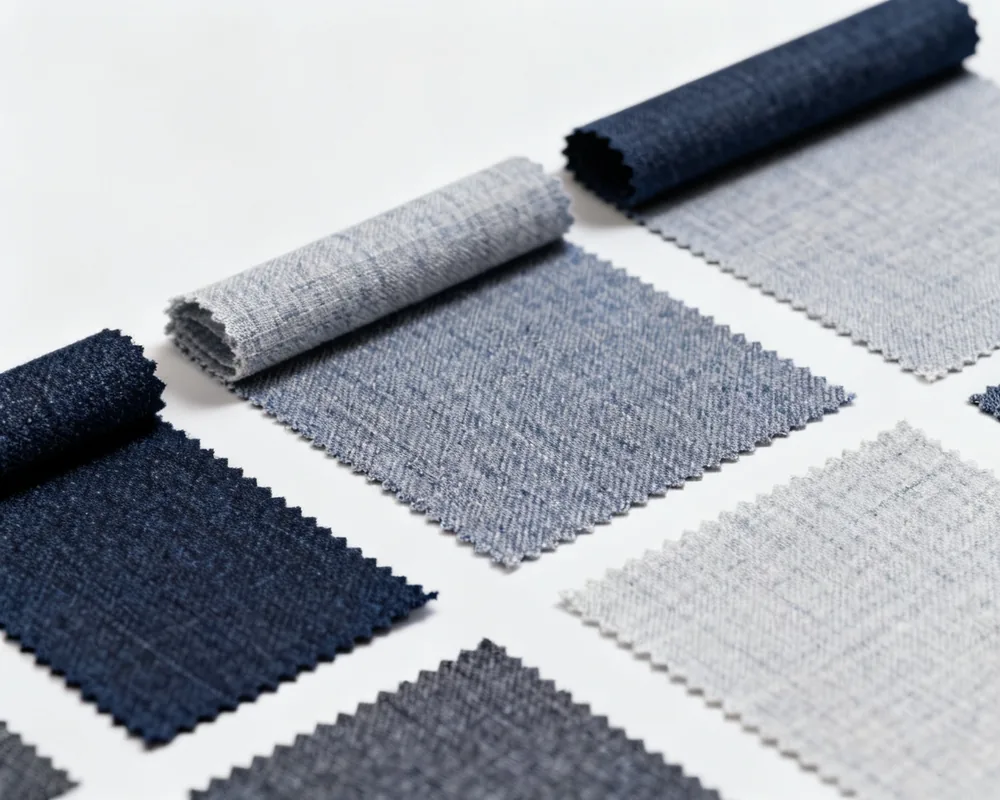
textile cutting layout with sample strips

Joining: evaluate the interface

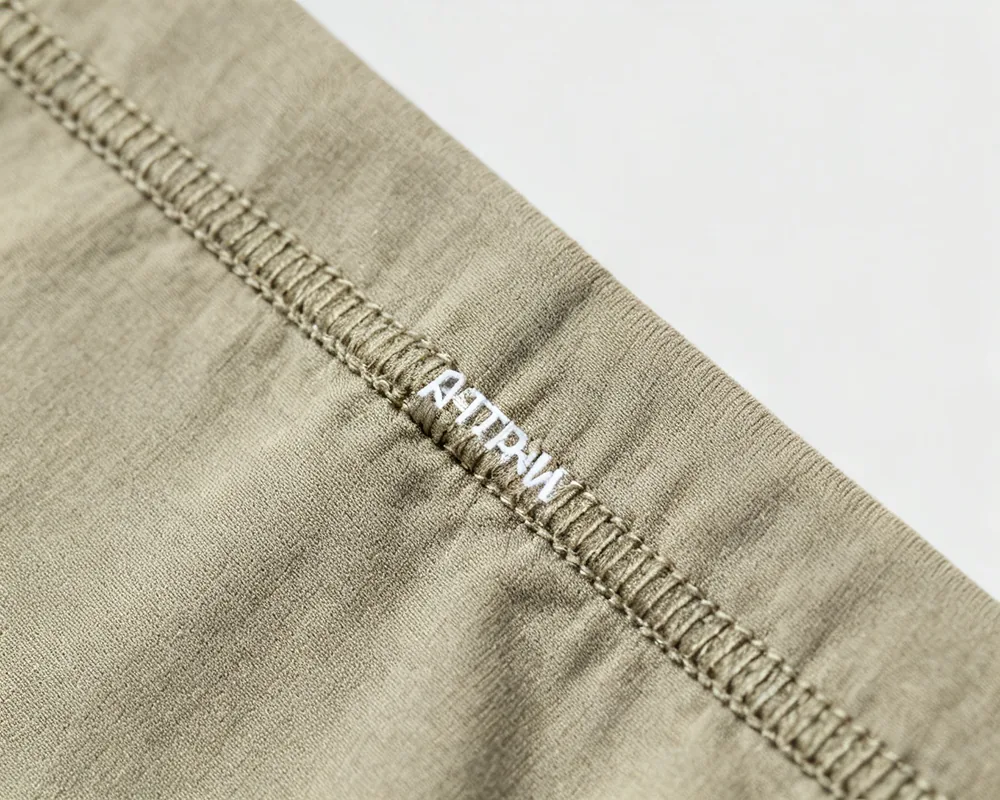
Joining changes the specimen that is actually being judged. Needle penetration, adhesive bonding and seam treatment can affect where liquid water enters an assembly. A hydrostatic head test on an unseamed sample does not answer every seam question. Prepare a separate joined specimen when the application calls for that comparison, identify the joining conditions and record which side faces the exposure. Coated substrates and laminated constructions require different discussions about adhesion and backing compatibility. Compare the actual processing route rather than ranking those routes by name. Air permeability under a stated pressure difference is a separate measurement from water vapor transmission and should have its own acceptance question. If the panel used a hydrostatic method such as ISO 811, note whether the laboratory reported centimetres of water or kPa, and keep that pressure result out of the airflow column.

unbranded sewn textile seam sample

Care: compare the same state

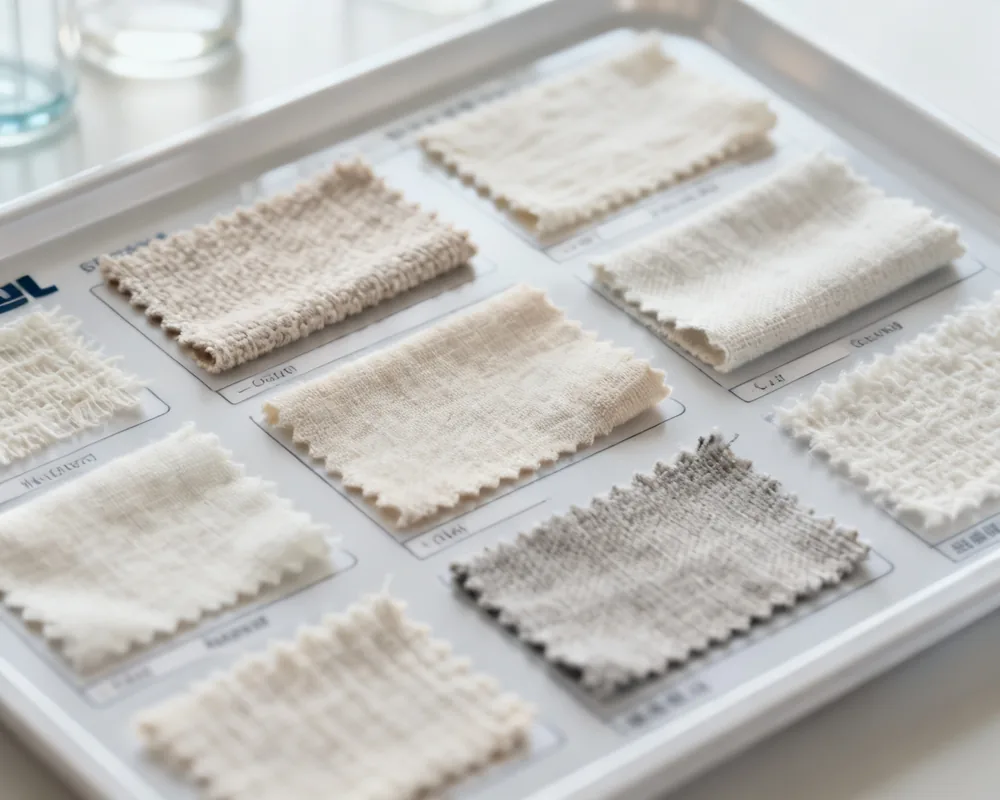
Care keeps the laboratory comparison on one specimen state. Specify laundering, drying and any abrasion pretreatment before comparing water resistance or vapor transport. A surface finish, face textile and backing may respond differently to those treatments; keep the treatment history beside the sample identity. For water vapor transmission, the method conditions and reporting units belong with the result because a different test setup changes the basis of comparison. Material comfort also involves handle, stiffness and the intended activity. A more abrasion-focused face may feel different from a softer construction. Evaluate that trade-off with physical samples and a common test route instead of treating one favorable figure as a complete outdoor selection. A 5-wash pretreatment and a 20-wash pretreatment are different specimen histories, so write the cycle count beside any later water or vapor result.

textile care test specimens on a laboratory tray

Describe the use environment

Describe rain duration, activity and planned assembly, then name the sample state you want to compare. The useful next step is a targeted material question tied to the actual construction.

Discuss your fabric requirements