Why is GSM not enough?
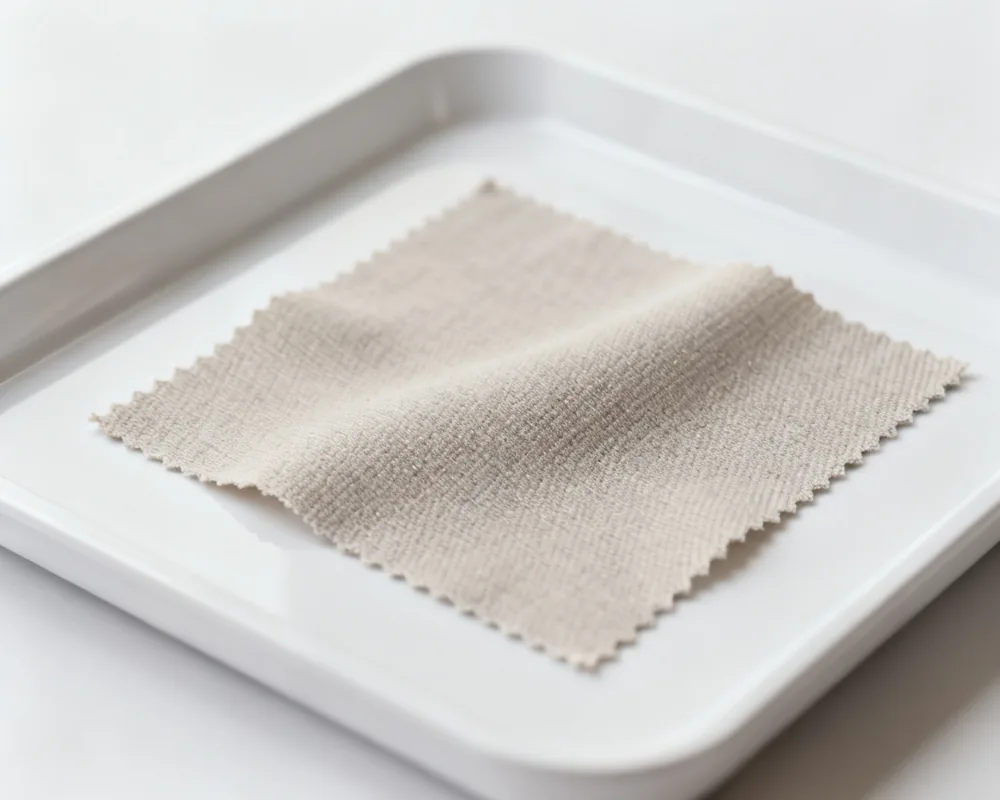
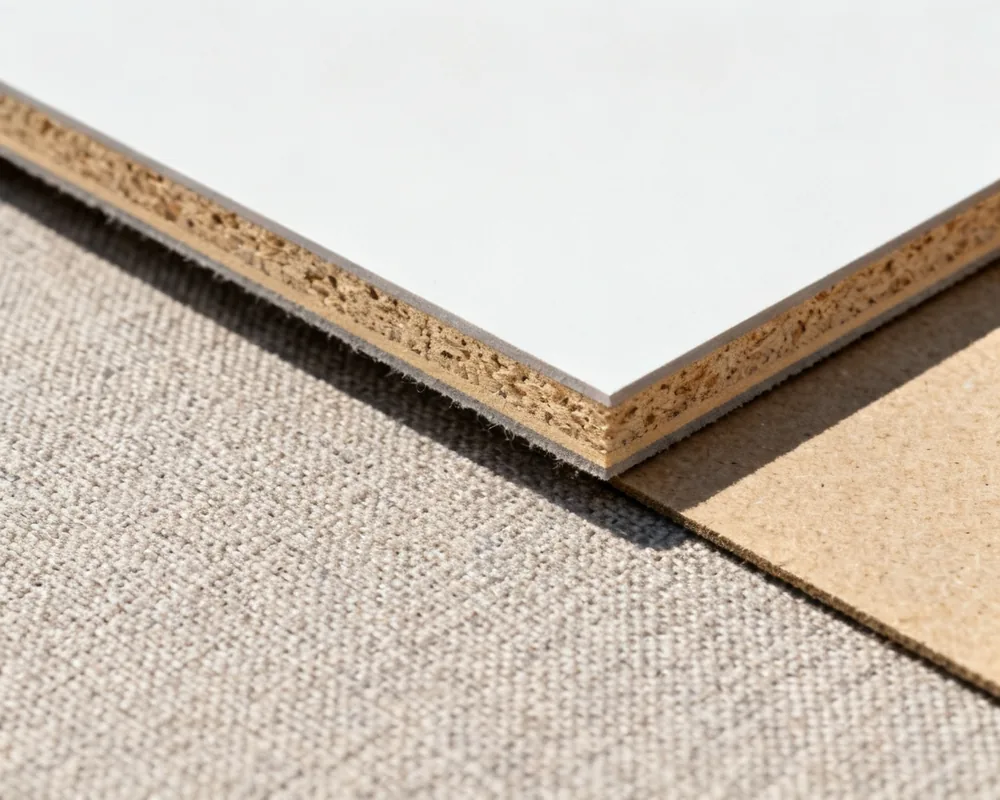
GSM records mass per unit area. It does not identify a membrane structure, adhesive distribution or the way a face textile wets out. Handle, usable width and layered construction remain separate checks.
Membranes and laminates for outdoor development
| Field | Target question | Evidence question |
|---|---|---|
| Composition | Identify fibre blend | Review supporting declaration |
| GSM | Agree target and tolerance | Confirm specimen and method |
| Usable width | Separate cuttable area from selvedge | Confirm roll-level agreement |
| Finish | Describe treatment or laminate | Check sample state and durability context |
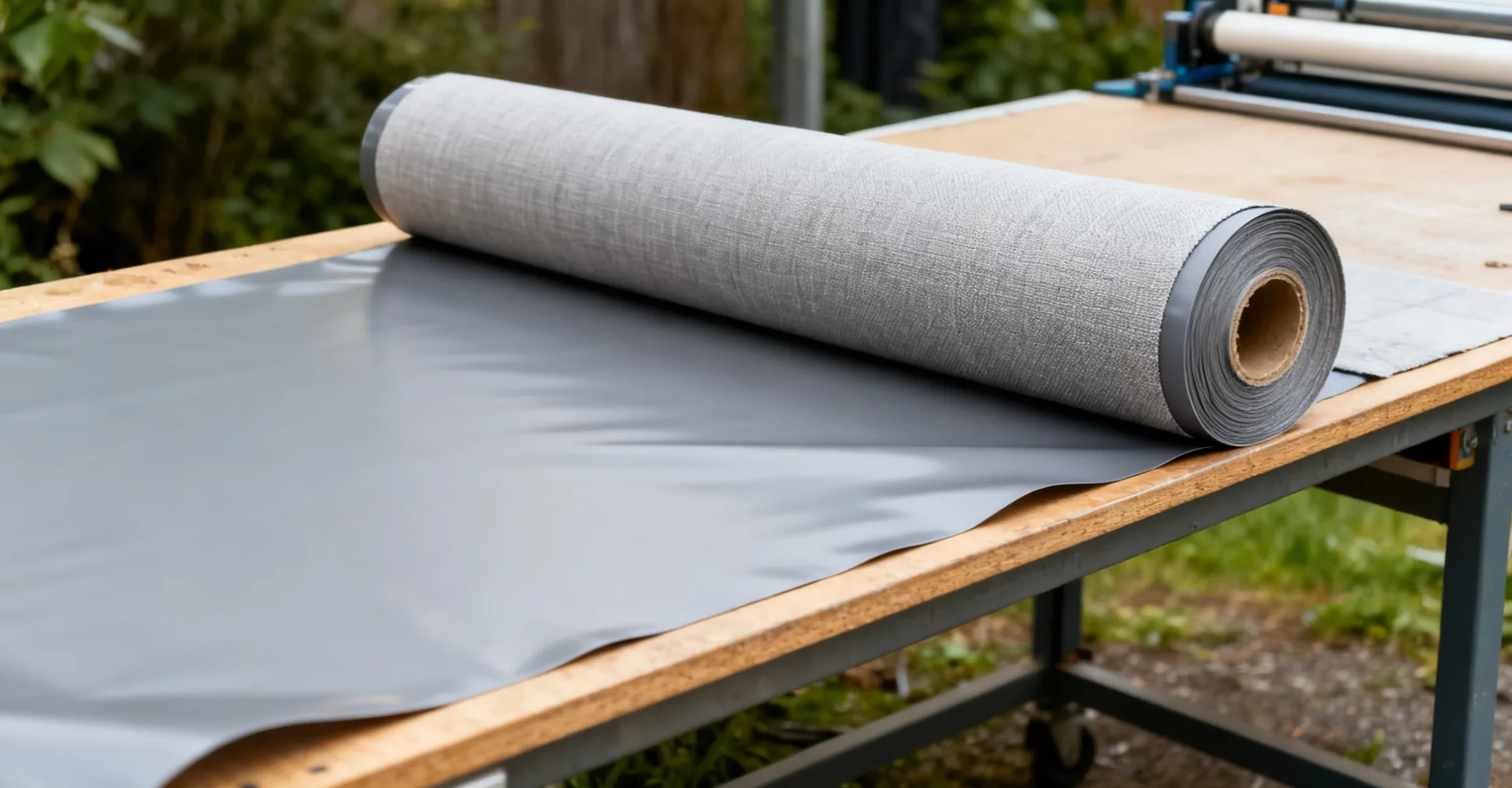
For outdoor laminate development, describe rain exposure, activity level and the proposed textile assembly. A light shell concept and a heavily reinforced construction ask different questions of the same material family.
Assess surface wetting, liquid-water penetration, vapor movement and airflow as separate behaviors. Include care, abrasion and bonding conditions that could change the specimen before testing.
Compare like-conditioned samples using the same method and reporting units. A favorable laboratory result supports a defined comparison; garment design, seams and environmental conditions still affect the intended application.
GSM records mass per unit area. It does not identify a membrane structure, adhesive distribution or the way a face textile wets out. Handle, usable width and layered construction remain separate checks.
Use a dated specimen reference, identify the face and backing where known, and describe any washing or finishing. Record the direction and side of the sample when those details affect the chosen test.
A hydrostatic head result concerns liquid-water resistance. Water vapor transmission concerns vapor transport; air permeability concerns airflow under a pressure difference. Neither vapor nor airflow values can stand in for a water penetration test. Keep a hydrostatic method, a hot-plate method such as ISO 11092, and an airflow method such as ASTM D737 at 125 Pa in separate rows of the brief.
Bring the material reference, intended weather exposure and the measurement you need to interpret. A concise question about method or specimen state makes the next discussion more precise.